
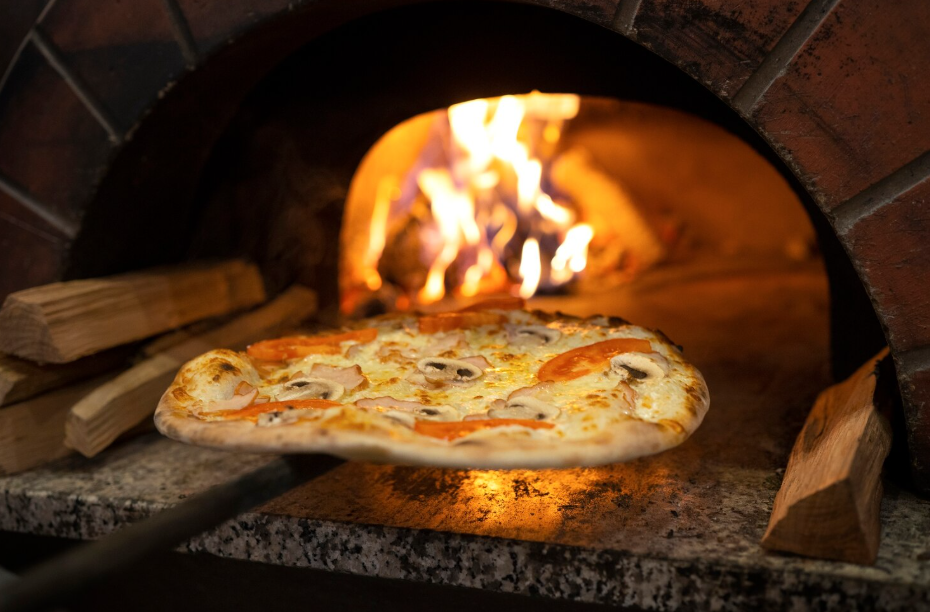
Crispy, cheesy, and universally loved—pizza is the ultimate comfort food. Found on every continent and adapted into countless styles, it’s hard to imagine a world without it.
How did a humble flatbread from southern Italy evolve into a global phenomenon adored by millions? The story of pizza is one of migration, innovation, and irresistible flavor.
Ancient Origins of a Modern Favorite
Pizza’s roots go back far before Italy. Ancient civilizations like the Egyptians, Greeks, and Persians all made versions of flatbreads topped with oils, herbs, and simple ingredients. These early dishes were practical. They were easy to bake and eat with the hands, but they set the stage for what would later become pizza.
It wasn’t until the 18th century in Naples, Italy, that pizza as we know it began to take shape. Street vendors sold affordable flatbreads topped with tomatoes, which had recently arrived from the Americas. At first, the tomato was viewed with suspicion. Many Europeans thought it was poisonous. However, Neapolitans embraced it, combining it with olive oil, garlic, and herbs to create a dish that was simple, flavorful, and filling.
By the late 1700s, pizza had become a staple of working-class Naples. It was cheap, fast, and delicious—a food of the people long before it became the darling of the world.
See How Postcards Changed the Way We Traveled for another global spread story.
From Street Snack to Symbol of Italy
One event cemented pizza’s place in culinary history. In 1889, King Umberto I and Queen Margherita of Savoy visited Naples, and a local pizzaiolo, Raffaele Esposito, prepared three kinds of pizza for them. The queen’s favorite featured red tomatoes, white mozzarella, and green basil—the colors of the Italian flag. Esposito named it the Pizza Margherita, and a legend was born.
This royal endorsement helped elevate pizza’s status from humble street food to a proud symbol of Italian culture. Yet, for decades, it remained confined mainly to southern Italy, waiting for a wave of global migration to take it beyond the Mediterranean.
The American Reinvention
In the late 19th and early 20th centuries, Italian immigrants brought pizza to the United States. The first documented American pizzeria, Lombardi’s, opened in New York City in 1905. At first, pizza was an ethnic specialty, enjoyed mostly within Italian neighborhoods. But after World War II, returning soldiers who had tasted pizza in Italy sparked a nationwide craving for it.
As pizza spread across the U.S., it evolved into regional styles. New York pizza became thin and foldable, designed for on-the-go eating. Chicago deep-dish turned pizza into a hearty, casserole-like indulgence. California Pizza experimented with gourmet toppings like arugula and goat cheese. Each variation reflected local tastes, proving that pizza could be endlessly reimagined without losing its essence.
By the 1950s, pizza had gone mainstream. The rise of delivery, frozen pizzas, and global chains like Pizza Hut and Domino’s turned it into a household staple. What began as an immigrant dish had become a symbol of modern convenience, a part of, and communal joy.
Explore The Surprising History of Everyday Inventions That Started as Mistakes to meet other accidental icons.
A Global Phenomenon
Pizza’s universal appeal lies in its adaptability. In Japan, you’ll find pizzas topped with squid, mayo, and teriyaki chicken. In Brazil, green peas are a favorite topping. India’s pizzas often feature paneer, tikka masala, or spicy chilies. In Sweden, “banana curry pizza” is a local favorite. Wherever it goes, pizza reflects the culture that adopts it.
Its success also owes much to globalization and marketing. As Western brands expanded, they brought pizza with them. However, local chefs made it their own. Today, you can find Neapolitan wood-fired ovens in Nairobi, vegan pizzerias in Berlin, and thin-crust masterpieces in Buenos Aires.
Why We Can’t Get Enough of It
Pizza’s global dominance isn’t just cultural; it’s biological. The combination of fat, salt, and umami (savory flavor) makes it neurologically irresistible. Cheese delivers creamy fat, tomato sauce provides acidity and sweetness, and baked dough adds comforting carbohydrates. Together, these elements stimulate the brain’s reward center, releasing dopamine—the same pleasure chemical linked to happiness and satisfaction.
It’s no wonder researchers have dubbed pizza one of the most “craveable” foods on Earth. It satisfies both emotional and sensory hunger, reminding us of family gatherings, late-night meals, and shared laughter.
Explore The Science of Smell: Can We Digitize Scent? for how aroma explains pizza’s appeal.
From Naples to Everywhere
In the span of two centuries, pizza has gone from a street food for Neapolitan workers to a worldwide culinary icon. It’s evolved, adapted, and conquered every culture it’s encountered. Yet, at its core, pizza remains the same: a simple combination of bread, tomato, and cheese that brings people together.
So whether you’re biting into a New York slice, a wood-fired Margherita, or a wild-topped local creation, you’re taking part in a global story of migration, creativity, and community. And like all great stories, pizza keeps expanding by one slice at a time.