You catch a glimpse of a small coffee cup and can’t help but smile. Puppy clips cause your scroll to come to an abrupt halt. Adults snortle while viewing small imitations of food. Why are we drawn to the small, and why does our response to them verge on the animalistic? Evolutionary biology and a phenomenon called the “baby schema effect” are to blame.
Your brain is calibrated to react to something in babies, and that calibration carries far beyond actual babies. Cuteness biology is what makes smallness so wonderful, as it reaches out and touches all of us.
The Baby Schema: Hardwired to Care
In 1943, ethologist Konrad Lorenz 1943 discovered some of the body features that induce caretaking in all animals. He termed it the Kindchen schema, or baby schema, a set of features that induce an “awww.”
They have proportionately large heads on the body, large eyes, a round face, a small nose, and padded limbs. When your brain is exposed to these, it lights up the nucleus accumbens, the reward-based pleasure-motivation system.
Positive aspects of the baby schema effect:
- Triggers caregiving reaction and protection with immediacy
- Inter-species—infant animals are adorable to us regardless of whether they’re human
- Releases dopamine, which causes real pleasure in looking at cuteness
Brain scanning showed that gazing at baby schema-pleasing pictures activates the medial orbitofrontal cortex, the brain’s reward and liking center. It’s not something learned. Blind infants smile the same way when they’re enjoying play with little soft toys. It’s evolutionary programming.
Read More: How Do Bees Know Which Flowers to Visit?
Why Miniatures Hijack Our Brains
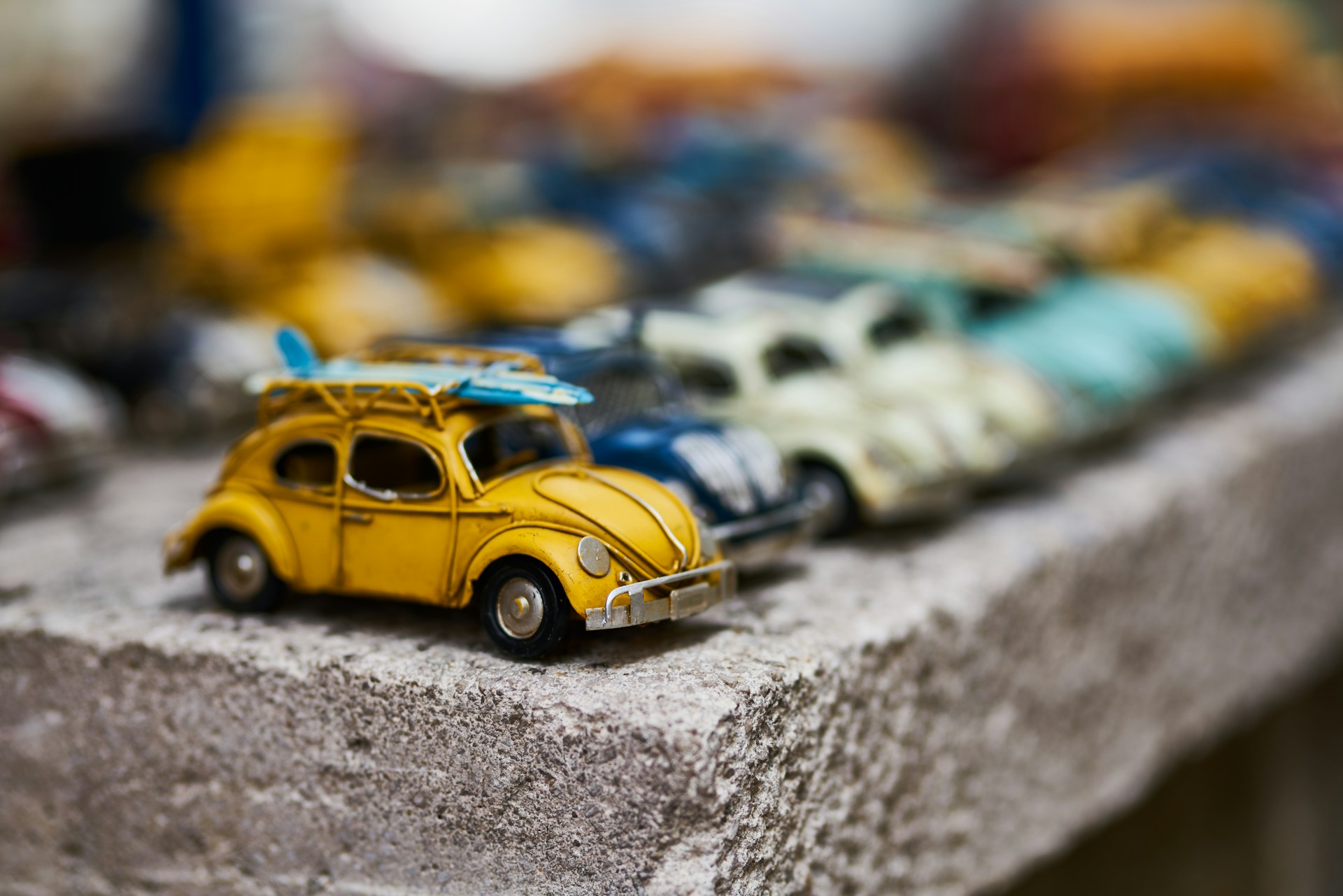
And here’s the absolutely cool part: the baby schema effect doesn’t just apply to living things. Tiny food, tiny tools, doll furniture—these all evoke the same neural reaction as babies’ faces.
The University of Pennsylvania researchers found that small alone can do it. Bystanders looking at small pictures of objects they regularly encounter in life were showing brain responses as if viewing baby faces. The objects themselves were not particularly cute, but being small was adequate.
Japan’s kawaii (cuteness culture) phenomenon exploits this biology. Hello Kitty, small bento lunch boxes, and small toys steal billions from our evolutionarily based reaction to smallness. Advertisers and marketers are aware that product miniaturization is perceived as cute, which in turn enhances purchasing intent.
Scholars assume it is because our forebears, who reacted in angry fury to small, harmless objects, had been good parents to their children. That survival edge over the centuries remains with us, making us vulnerable to being impacted by anything small and helpless.
Read More: How Do Jellyfish Glow Without Electricity?
The Dark Side of Cute Aggression
Ever felt the need to squeeze something so adorable you’d squash it? That’s cute aggression, a perfectly valid psychological phenomenon in which extremely strong positive emotion results in aggressive behavior.
Yale researchers discovered that when a person is overexposed to cuteness, the brain is both rewarded and irritated at the same time. The theory? Your brain is trying to counteract too much goodness by incorporating an opposing negative component so it won’t be swamped.
That is why we say “I could just eat you up!” when we are speaking to babies or playfully threatening cute animals. Your nervous system effectively slams on the brakes on fun chemicals in the way of bunching up mad impulses together. It is not actually aggressive, but emotional in the way of wanting to pinch rosy cheeks.
And that’s why we adore little things: the baby schema effect makes us caretaking towards helpless small things. This evolutionary trick coaxes our parents into looking out for helpless babies, but it also extends to puppies, kittens, and even small inanimate objects. Don’t be mistaken by cuteness; it’s a strong biological urge that mingles caregiving and unites individuals. The next time something small pulls at your heartstrings, try to remember that you’re witnessing millions of years of evolution at work. Savor the “awww.”
Read More: Why Are Airplane Seats Blue?