
Sight and sound have gone digital. We stream movies, record songs, and send images instantly across the world. But what about smell? Digital scent technology asks whether we can record, transmit, or recreate aromas like we do audio and video.
Scientists have been chasing this dream for decades, and while we’re not quite at “emailing perfume” yet, recent breakthroughs suggest that digitizing scent may soon move from science fiction to science fact.
How Smell Works in the Brain
To understand how to replicate smell, we first have to know how it works. When you inhale, microscopic odor molecules enter your nose and bind to specialized receptors in the olfactory epithelium, which is a small patch of tissue high in the nasal cavity. Humans have about 400 types of olfactory receptors, and each scent activates a unique combination of them.
Your brain interprets this combination like a musical chord, identifying and labeling the scent based on experience. That’s why smells can trigger memories so vividly. The olfactory bulb connects directly to the brain’s memory and emotion centers, bypassing rational processing.
To digitize smell, scientists must decode this system. It begins with mapping which molecular patterns correspond to which perceived scents. It’s a complex task, but one that modern computing and machine learning are increasingly making possible.
Curious why some aromas feel extra cozy? Read The Hidden Science Behind Your Favorite Candle Scents.
Turning Molecules into Data
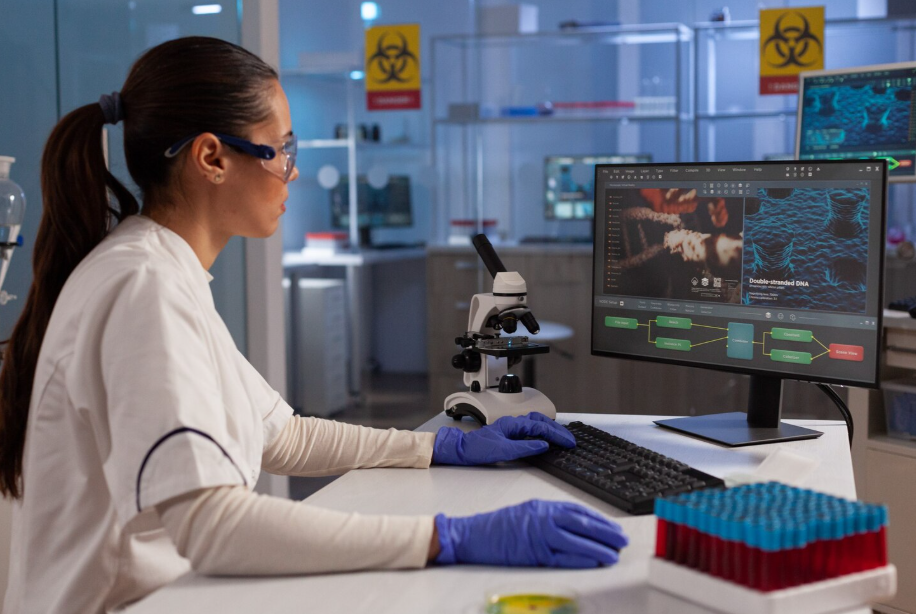
Researchers are developing devices known as electronic noses or e-noses, designed to detect and identify smells the way digital microphones detect sound. These devices use chemical sensors that respond to specific volatile compounds. By analyzing the electrical signals produced, they can recognize and categorize odors.
For example, e-noses are already used in food safety to detect spoilage gases, in medicine to identify disease biomarkers in a patient’s breath, and even in environmental monitoring to detect air pollution or gas leaks. The next step is translating these chemical signatures into a universal digital format. Essentially, this operates by creating a “smell file” that can be shared and reproduced elsewhere.
In 2023, a research team at MIT’s Media Lab trained an AI model to predict the odor profiles of molecules based on their structures, achieving results comparable to those of human testers. By combining AI prediction with electronic sensors, scientists are beginning to assemble the first digital smell databases, mapping how certain compounds correspond to human sensory responses.
Recreating Smell with Technology
Capturing scent is only half the challenge. Reproducing it requires a digital-to-analog converter for smell. This device can release precise combinations of odor molecules into the air on command.
Some inventors have developed early prototypes of “olfactory printers” that use small cartridges of base chemicals to mix and emit scents in real time. Others are experimenting with wearable scent devices that can emit aroma bursts synchronized with virtual reality experiences. Imagine smelling the ocean while exploring a digital beach or catching a whiff of roasted coffee in a VR café.
However, there are significant obstacles. Unlike sound and light, which can be reduced to measurable frequencies, scents are made of countless complex molecules that interact differently with each person’s biology. Environmental factors, such as humidity, temperature, and even genetics, can alter how a smell is perceived. That makes creating consistent, universally recognizable scents incredibly difficult.
Explore the nostalgia side of scent in Why Do Some People Remember Smells More Vividly Than Faces?
Potential Applications of Digital Smell
If scientists can overcome those challenges, digital scent technology could revolutionize multiple industries. In healthcare, e-noses could detect early signs of cancer or infection by analyzing breath. While entertainment, movies, video games, and VR could become fully multisensory experiences. In education, students could virtually explore the scents of ancient marketplaces or tropical ecosystems.
Even communication could change. Imagine sending a “scent message” with a memory or emotion attached, like the smell of rain, pine, or your grandmother’s perfume. Marketers and retailers are also interested: studies show that certain scents enhance memory recall and customer satisfaction, suggesting that digital scent could reshape advertising and shopping experiences.
The Ethical and Sensory Frontier
With new sensory technologies come new ethical questions. Should scent be used to influence consumer behavior? Could recreating smells from the past—such as extinct flowers or historical environments—blur the line between reality and simulation? And how might digital scent data be stored, regulated, or monetized?
Like sound and color before it, the digitization of smell forces us to rethink what it means to experience something. Smell isn’t just chemistry; it’s memory, emotion, and identity. Reproducing it mechanically will require not only precision but sensitivity to its deep psychological power.
Crave that fresh-rain aroma? See Why Do Some People Love Rain Smells?
The Future of the Digital Nose
Universal scent streaming isn’t here yet, but progress is speeding up. AI learns odor molecules. Hardware gains precision. A multisensory internet now feels plausible, not sci-fi. Soon, you won’t just see a rose; you’ll smell it.
Screens will carry aroma, not only light and sound. A digital nose could trigger that shift, bridging distance with scent. It would tap our oldest sense and connect people in a new, vivid way.