
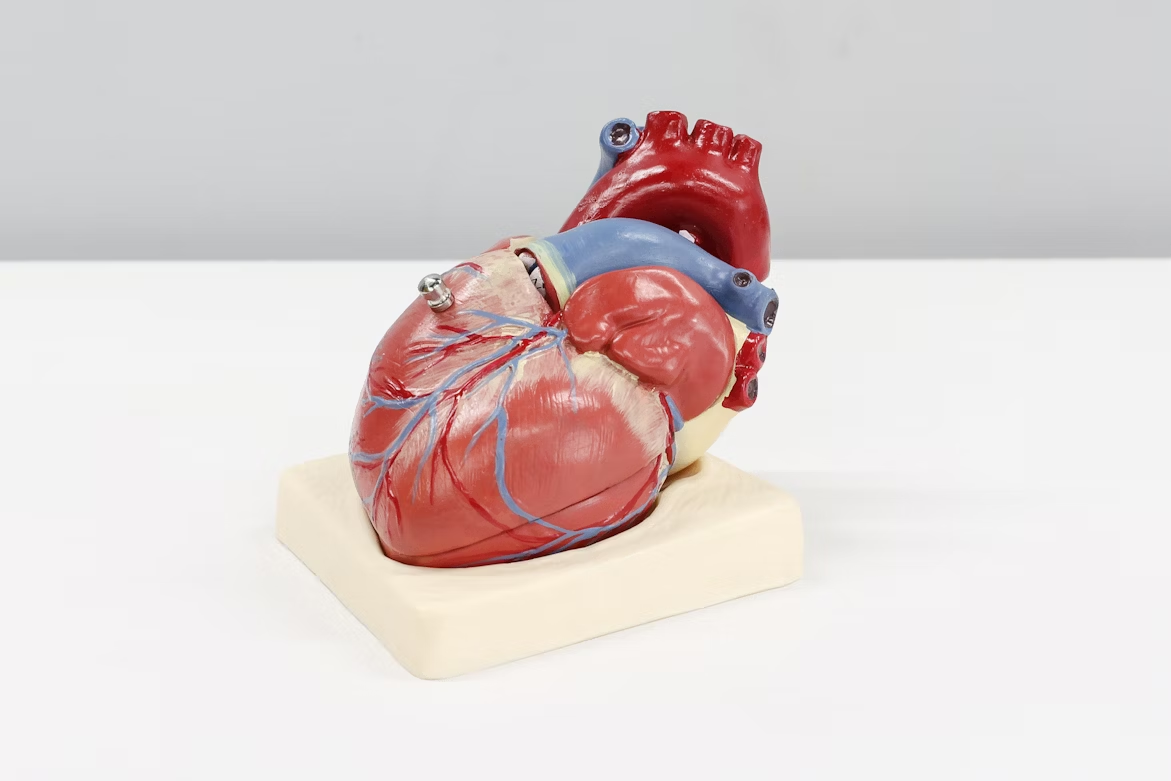
The idea of printing human organs once sounded like pure science fiction—a miracle of the future that could save millions of lives. Today, that future is rapidly becoming reality, and 3D bioprinting organs is leading the way.
Around the world, researchers are using 3D bioprinting to create living tissues that mimic the structure and function of human organs. While we’re not yet replacing hearts or kidneys on demand, science has taken remarkable steps toward making it possible.
The Promise of Bioprinting
At its core, bioprinting works much like traditional 3D printing. Instead of plastic or metal, it uses bioink—a mixture of living cells, growth factors, and biodegradable materials. Layer by layer, printers construct three-dimensional tissues that can grow, repair, or even integrate with the human body.
The ultimate goal is to create fully functional organs that can replace failing ones, ending the chronic shortage of donor organs. More than 100,000 people in the U.S. alone are waiting for transplants, and thousands die each year before a match is found. Bioprinting enables the creation of organs from a patient’s own cells—eliminating rejection and saving lives.
See Could Humans Live Forever With Gene Editing? for how DNA edits may extend healthy years.
From Simple Tissues to Complex Structures
The first significant breakthrough in bioprinting was the creation of simple tissues, such as skin, cartilage, and bone. These structures have relatively straightforward cellular arrangements, making them ideal for early experiments. Scientists have successfully printed skin grafts for burn victims and cartilage patches for joint repair.
But printing organs like hearts, livers, and kidneys is far more complicated. These organs have intricate internal structures that contain networks of blood vessels, specialized cell types, and delicate tissue layers. All these must work in perfect harmony. For years, recreating these microvascular systems was one of bioprinting’s most significant challenges.
Recent breakthroughs, however, are closing that gap. In 2019, researchers at Tel Aviv University printed the world’s first miniature heart using a patient’s own cells. Though only the size of a rabbit’s heart, it contained chambers, vessels, and tissue that could contract. Meanwhile, labs in the U.S. and Europe have created liver-like tissues capable of filtering toxins and producing enzymes just like the real thing, albeit on a smaller scale.
How Close Are We to Transplantable Organs?
While progress is accelerating, printing a full-sized, functional organ still faces significant hurdles. One challenge is vascularization, a process that allows oxygen and nutrients to reach every cell. Without a built-in circulatory network, larger tissues die quickly. Scientists are experimenting with printing microscopic blood vessels and using stem cells to grow new ones naturally.
Another obstacle is scaling. Printing an organ requires precision and time. It could take days or weeks of printing followed by months of maturation. Even a small error in alignment or cell layering can compromise function.
That said, the pace of innovation is staggering. In 2022, a U.S. company, United Therapeutics, announced progress toward printing lungs for transplant testing, while other firms are working on 3D-printed kidneys for preclinical studies. Experts predict that functional organ prototypes could reach human trials within the next decade.
Explore Could Dinosaurs Be Brought Back With DNA? to compare what genetics can—and can’t—do.
Real-World Applications Today
Even before transplantable organs become a reality, bioprinting is already transforming medicine. Pharmaceutical companies are using printed tissues to test new drugs, reducing the need for animal trials and providing more accurate human-based models. Hospitals are printing custom implants, bone grafts, and surgical models tailored to individual patients.
For example, doctors can now print a replica of a patient’s heart or skull before surgery, allowing them to plan complex procedures with unprecedented precision. Some research hospitals have even printed personalized airway stents and skin patches made from the patient’s own cells, improving recovery and reducing complications.
Ethical and Economic Challenges
As with many breakthrough technologies, bioprinting raises important ethical and economic questions. Who owns a printed organ? The patient, the hospital, or the company that developed the printer? How do we ensure access for all patients, not just the wealthy? And how do we regulate something that blurs the line between biology and manufacturing?
Scientists also emphasize caution. While technology is advancing quickly, long-term safety and stability must be demonstrated before full organ transplants become routine. Printed tissues must behave like natural ones for years—not just weeks—without triggering immune responses or degrading.
Read Could Humans Ever Hibernate Like Bears? for another medical frontier worth exploring.
The Future of Medicine in Layers
Despite the challenges, the trajectory is clear. What began as a daring idea is evolving into one of the most promising frontiers in modern science. Within our lifetime, hospitals may print organs on demand, using a patient’s own cells to create perfectly matched replacements. The implications go beyond transplants. Bioprinting could help regenerate damaged tissue, heal spinal injuries, or even grow entire limbs.
Each breakthrough brings humanity closer to a world where waiting lists for transplants are a thing of the past, and where life itself can be rebuilt, layer by layer.